
EXPLORE THE FIVE THEMES
Disaster & Crisis Management
Explore disaster and crisis management through people, coordination and recovery after the 2004 tsunami at Car Nicobar.
Crisis response and lessons from Car Nicobar
Nitin Sathe’s work connects this subject with books, published articles and public conversations. Explore the themes below, then use the related reading to follow a question in more depth.
The human reality of a crisis
An account of disaster begins with people and loss. The Car Nicobar narrative places recovery work alongside the experiences of survivors.
Restoring what people depend on
Recovery involves essential facilities, supplies and coordination. The book offers a setting for discussing priorities and the responsibilities of institutions.
Turn reflection into preparedness
Institutions can use an experience-based conversation to identify questions for their own plans, roles and exercises. Specific advisory work requires a defined brief and appropriate expertise.
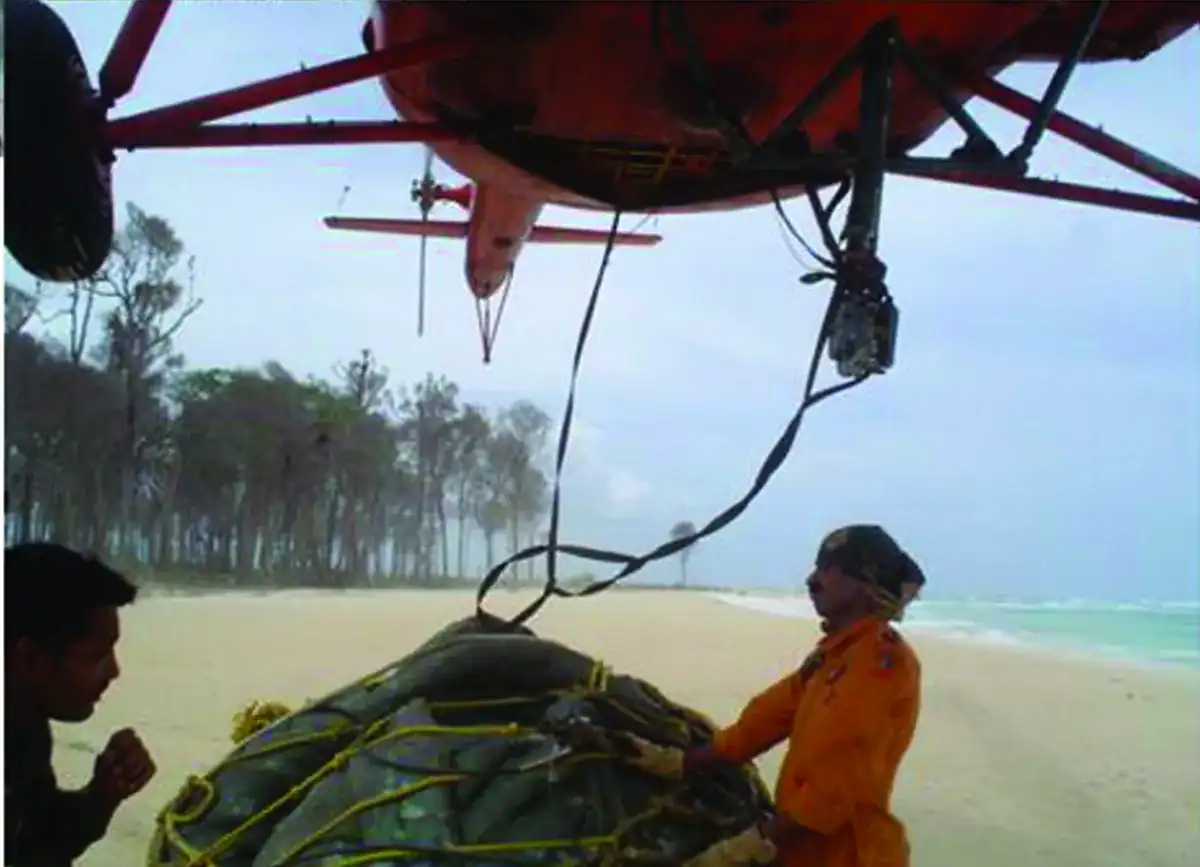
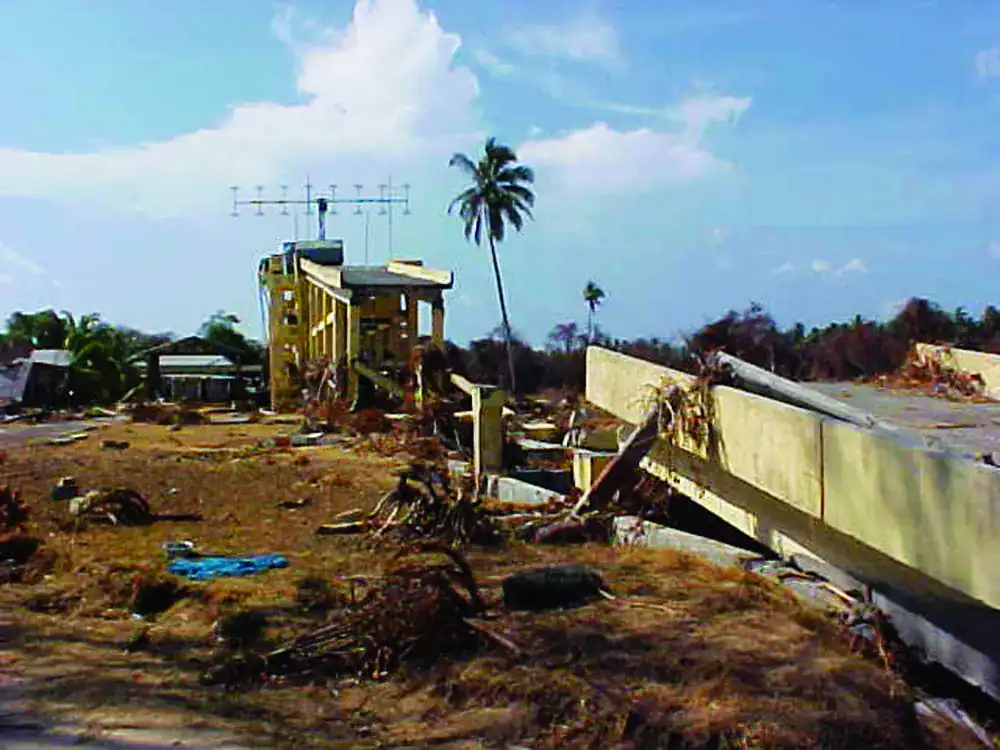
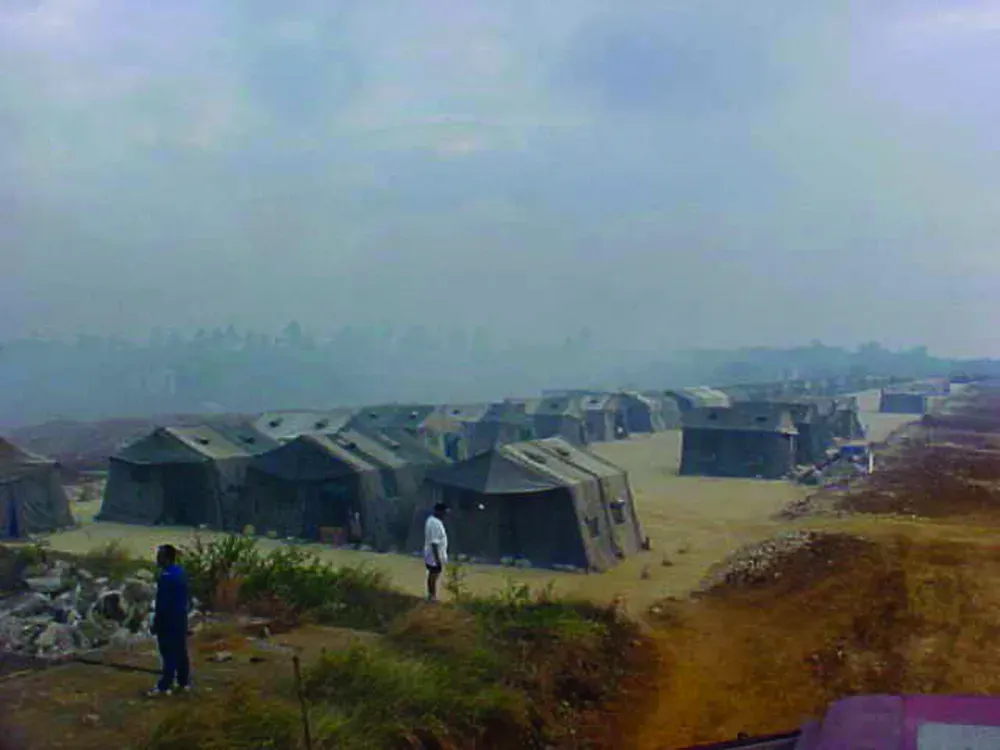
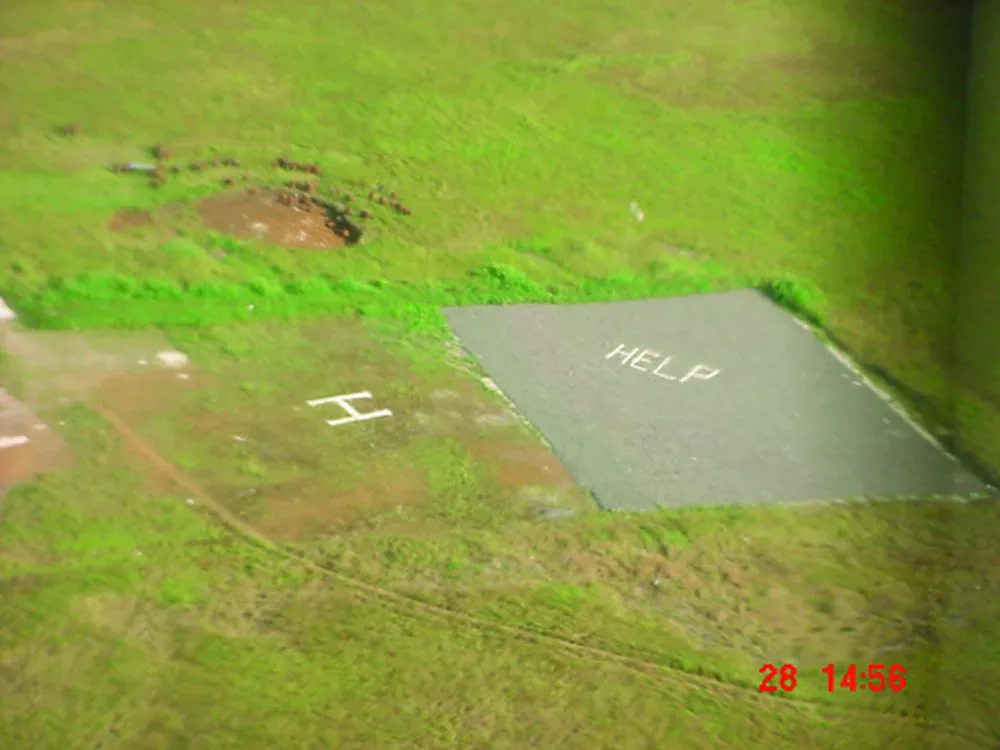
Photographs from the archive
Related books
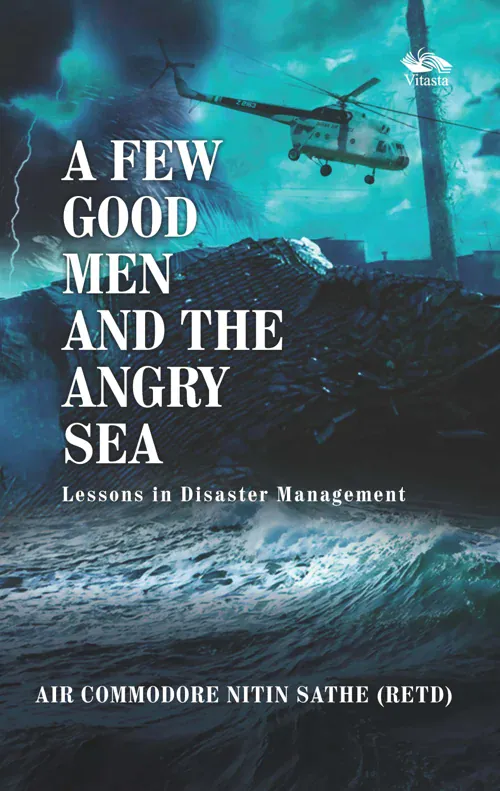
A Few Good Men and the Angry Sea
An account of the 2004 tsunami’s aftermath at Car Nicobar and the effort to restore the Air Force base.
Explore the BookFrom a documented case to a preparedness discussion
Begin with the Car Nicobar recovery story in A Few Good Men and the Angry Sea. Examine the people, decisions and coordination in that historical case before considering what questions are relevant to a different organisation.
Preparedness discussion checklist
This general worksheet helps organise an initial discussion. It is not a safety audit, emergency plan or certification of readiness.
- Which hazards and local requirements have the organisation already identified?
- Who owns the current plan, and when was it last reviewed?
- Are roles and decision-making responsibilities clear to the people involved?
- How are contact information and communication arrangements maintained?
- Which groups may need additional support, and who is responsible for planning it?
- What training or exercise has been completed, and what gaps did it reveal?
- Who records corrective actions, assigns responsibility and reviews completion?
Use applicable official guidance and qualified support for operational planning. The National Institute of Disaster Management training modules provide a route to further study.
For a possible case-based discussion, prepare the audience, purpose, context, existing plan and intended outcome. See Speaking and Training. Any assessment, exercise or advisory engagement requires a separately confirmed scope and delivery capability.
Questions about crisis readiness
What can institutions learn from the Car Nicobar tsunami account?
A Few Good Men and the Angry Sea provides a historical case for examining how people, priorities and coordination shaped recovery after the 2004 tsunami at Car Nicobar. It can prompt useful questions about institutional responsibilities, communication and restoring essential functions, without being treated as a universal response formula.
Does the readiness checklist replace an emergency plan or safety audit?
No. The checklist is a discussion and reflection aid. It is not a site-specific risk assessment, operational emergency plan, certification or substitute for qualified technical advice. Institutions should follow applicable official guidance, maintain authorised plans and use competent specialists for fire, medical, engineering and other relevant risks.
What should an institution share before requesting a discussion?
A useful initial brief identifies the organisation, audience, local context, existing preparedness arrangements, objectives and preferred format. That permits a focused conversation about possible learning needs. Any assessment, exercise or advisory work requires a separately agreed scope, suitable expertise and confirmed delivery arrangements.
Download the four reader guides PDF
Crisis Readiness Checklist for Institutions
A planning conversation for institutional leaders and designated coordinators
Use this checklist to identify gaps in your institution’s existing arrangements. It is a discussion aid, not a safety audit, certification or operational emergency plan. Follow current local authority guidance and obtain qualified advice for site-specific, fire, engineering, medical and other specialist decisions. During an actual incident, follow the approved plan and instructions from the responsible authorities.
For each item, record evidence and a named action owner. Mark it Ready only when the arrangement has been checked; use Needs action or Not reviewed when evidence is incomplete. Do not circulate personal contact lists or sensitive site information in a public version.
1 Authority and decision making
Is there a current plan, an authorised coordinator and an alternate? Can staff identify who makes decisions and how the arrangement works outside normal hours? Status ____________________
2 Likely disruptions and people affected
Has the institution identified relevant hazards and disruptions for its location and activities? Does planning consider students, staff, visitors and people who may need assistance? Status ____________________
3 Warnings and communication
Are official warning sources identified? Have internal messages, contact details and a backup communication route been checked through an authorised process? Status ____________________
4 Accounting for people
Are responsibilities clear for accounting for staff, students and visitors? Are assistance arrangements discussed with affected people while protecting their privacy? Status ____________________
5 Movement and safe locations
Have the appropriate qualified people reviewed the institution’s movement, assembly and shelter arrangements? Are local authority instructions and access requirements reflected in the plan? Status ____________________
Readiness actions and follow through
6 Resources and specialist support
Are required resources maintained and checked by responsible personnel? Are arrangements for emergency services and other specialist support current and known to authorised staff? Status ____________________
7 Continuity of essential work
Which functions must continue or restart first? Are responsible teams, alternate arrangements and dependencies documented in the approved continuity plan? Status ____________________
8 Records and information
Are essential records protected and backed up under the institution’s policy? Can authorised staff retrieve what they need while restricting sensitive information? Status ____________________
9 Practice and learning
Have exercises been planned with suitable supervision? Are observations recorded and changes assigned rather than treating attendance as proof of readiness? Status ____________________
10 Review and accountability
Is there a named owner for each unresolved gap and a review date? Are plans reconsidered after changes in buildings, activities, people or official guidance? Status ____________________
Priority gap evidence required responsible person and review date
Second priority gap evidence required responsible person and review date
Official learning resources
https://www.nidm.gov.in/modules.asp
https://ssp.nidm.gov.in/
Historical case study and related reading
https://nitinsathe.com/a-few-good-men-and-the-angry-sea/
https://nitinsathe.com/disaster-crisis-management/